
Home > Install, Care & Guides > Weeds & Diseases
Nutgrass
-
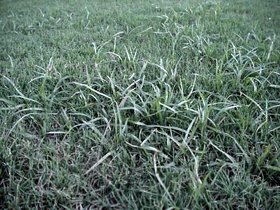
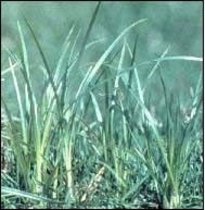
Nutgrass can be found in all lawns. It will die off in the winter; however, new growth in the spring comes from underground nuts that can be buried as deep as four feet. Very little of the seed is viable; however, growth from established nuts are very evasive and difficult to eradicate.
-
To control nutgrass, multiple applications of Image (a selective herbicide) is recommended and is considered safe for use on most varieties of turfgrass... ALWAYS READ & FOLLOW LABELED DIRECTIONS!
**To minimize nutgrass (or nutsedge) appearing in newly laid sod, it's important to take special care during the ground preparation. It's recommended after leveling to irrigate for 2–3 weeks of regular irrigation, minimum — some agronomists push it to 3–4 weeks for reliability on the bare soil. This will trigger the tubers to grow up out of the soil where they can be removed by hand (recommended to be sure the tuber is completely removed) or sprayed out.
Why: nutsedge tubers are dormant in the top few inches of soil and won't push shoots until conditions (warmth + moisture) trigger them. Irrigating like you would an established lawn wakes them up and flushes them to the surface where you can see and spray them (glyphosate or a nutsedge-specific post-emergent) before sod goes down and hides the problem.
Practical notes:
- Warm-season timing (summer) trends toward the 2-week end; cooler soil temps push it toward 3–4 weeks since germination slows.
- Water daily-ish shallow cycles rather than one deep soak — mimics post-install irrigation and encourages more tubers to break dormancy.
- After the flush, spray, wait the herbicide's re-entry/re-plant interval (often 1–2 weeks for glyphosate), then install.
- One flush cycle won't get everything — tubers can sit dormant 2-3+ years — so this reduces visible breakthrough risk, it doesn't guarantee zero nutsedge post-install.